Mon to Fri: 9:00am to 6:00pm
-
-
-
Brisbane, Queensland, Australia
-
Mon to Fri: 9:00am to 6:00pm
Brisbane, Queensland, Australia


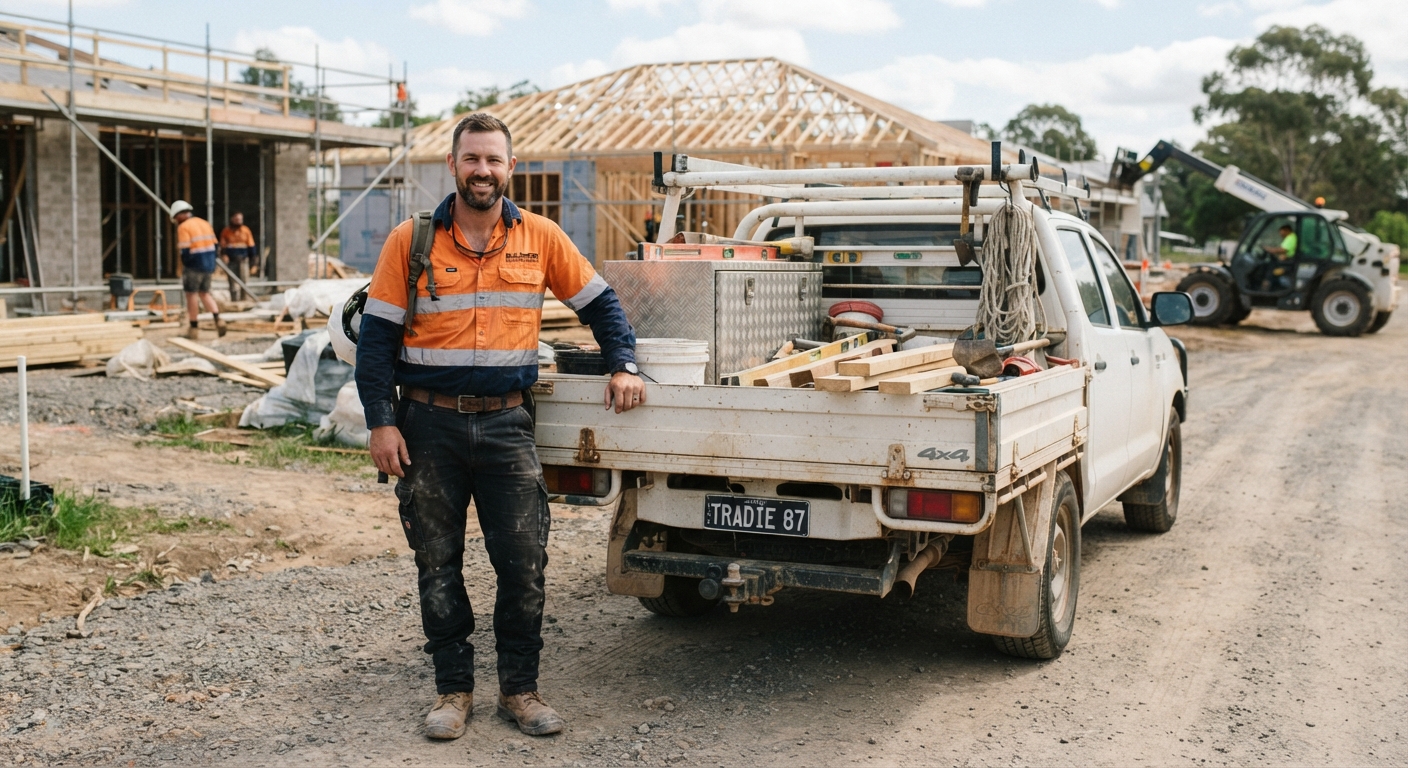
Why your business structure matters more than your ute:
Whether you're a sparky, chippy, plumber or tiler, choosing the right business structure for you affects how much tax you pay, how well your house is protected if a job goes wrong, and how much admin you deal with every year.
Most tradies start as a sole trader, and that's often the right call. But as income grows, staff come on and bigger contracts land, setting up a company can save thousands in tax and protect what you've built. Here's how sole trader and company compare, in plain English.
As a sole trader, you and the business are the same legal person. You trade under your own ABN, and business profit is added to your personal tax return.
Pros for tradies
Cons for tradies
Best for: apprentices going out on their own, tradies starting a side business, and those earning under roughly $100,000–$120,000 profit with low risk.
A company is a separate legal entity registered with ASIC. You're usually the director and shareholder, and the company owns the business, signs contracts and pays its own tax.
Pros for tradies
Cons for tradies
Best for: tradies with steady profits above roughly $120,000, employees on the books, or higher-risk work like building, electrical and commercial contracting.
|
|
Sole trader |
Company (Pty Ltd) |
|---|---|---|
|
Tax rate |
Personal rates, 0–45% + 2% Medicare |
25% flat (base rate entity) |
|
Asset protection |
None, you're personally liable |
Good (watch personal guarantees and director penalties) |
|
Setup cost |
Low: an ABN is free |
Medium: ASIC registration and company setup |
|
Ongoing admin |
Low: one personal tax return |
Medium: company tax return, ASIC annual review, payroll for yourself |
|
Access to profits |
Anytime |
Wages or dividends only (Division 7A applies) |
|
Paying family |
Only a reasonable wage for real work |
Wages for real work, or dividends to shareholders |
|
Losses |
Can offset other income |
Stay in the company for future years |
|
50% CGT discount |
Yes |
No |
|
Credibility with builders |
Fine for most work |
Often preferred for commercial jobs |
|
Best stage |
Starting out, lower profit |
Growing, higher profit or risk |
There's no single "best" structure. It depends on your profit, risk, family and plans. A typical path looks like this:
Example: Jake the electrician, $150,000 profit (2026–27 rates)
|
Structure |
Approximate tax |
How it works |
|---|---|---|
|
Sole trader |
$39,570 |
All $150,000 taxed at Jake's personal rates, plus 2% Medicare |
|
Company |
$33,240 |
$90,000 wage to Jake ($19,320 tax), $10,800 super ($1,620 tax in the fund), $49,200 company profit at 25% ($12,300) |
With a company, Jake pays around $6,300 less tax this year and builds $10,800 of super. The catch: $36,900 of after-tax profit stays in the company. When it's paid out later as a franked dividend, Jake may pay top-up tax depending on his income that year. Extra running costs, such as ASIC fees and a company tax return, are typically $1,500–$3,000 a year.
Simplified figures for illustration only. They ignore offsets, super and other income.
Q. What is the best business structure for a tradie just starting out?
Usually a sole trader. It's cheap, simple and lets early losses offset other income. Review it once profit grows.
Q. At what income should a tradie switch to a company?
There's no fixed number, but many tradies consider it once profit is steadily above $120,000, or when they take on staff or higher-risk work.
Q. Does a company protect my house?
It helps, but not completely. Personal guarantees, director penalties for unpaid tax and super, and negligence claims can still reach you personally.
Q. Can I pay my wife or partner through my business?
As a sole trader, only a reasonable wage for real work they do. With a company, they can be paid a wage for real work or, if they're a shareholder, receive dividends.
Q. Can I go back to being a sole trader later?
Yes, but closing a company takes time and fees, and moving assets out may trigger tax. It's best to choose with an eye on where your business is heading.
The right structure can save thousands each year, and the wrong one can cost you just as much. Our Brisbane-based registered tax agents help tradies across Australia with:
Not sure which structure is right for you? Book a structure review and we'll run the numbers for your trade business.
This article is general information only and does not consider your personal circumstances. Speak to a registered tax agent before acting.